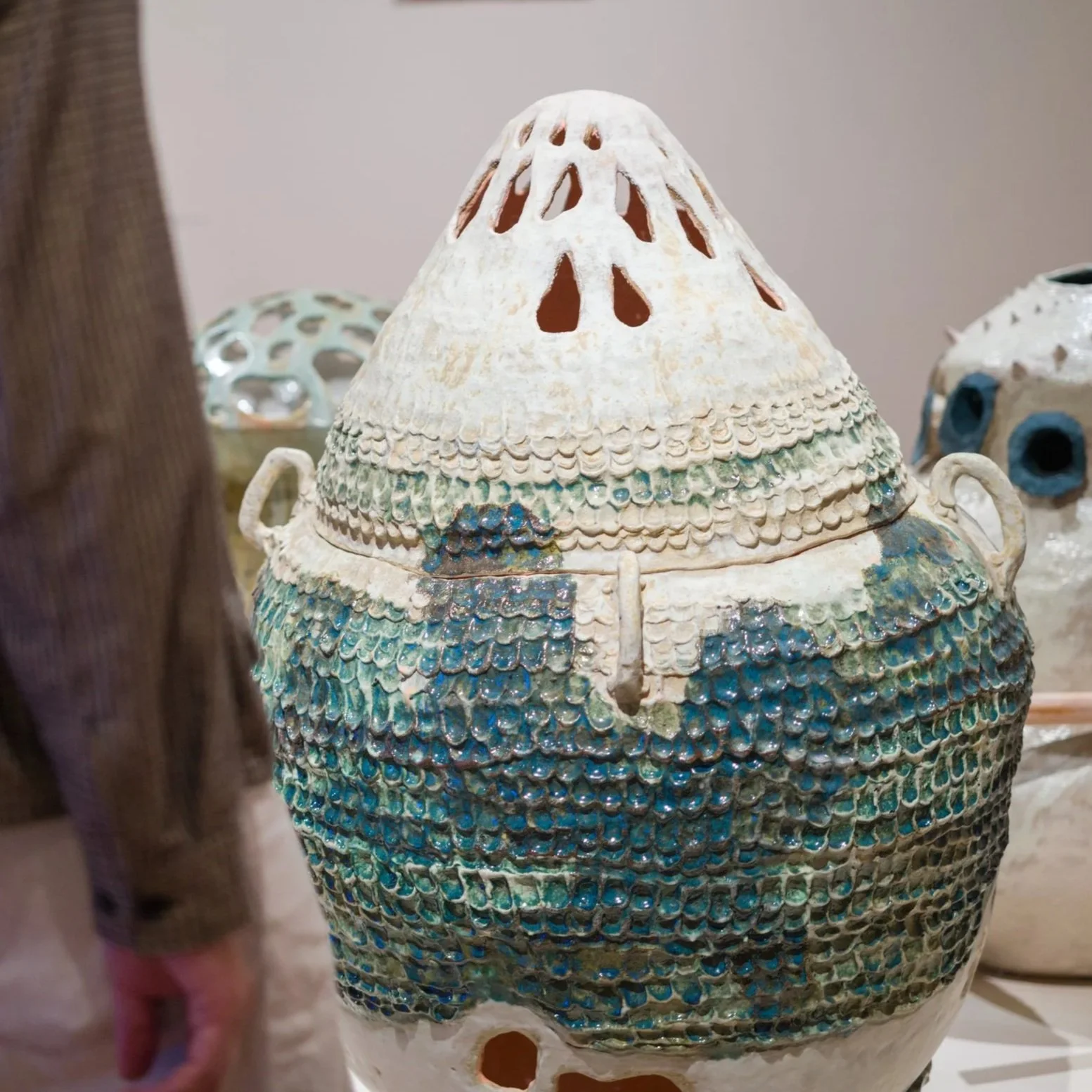
Death Vessels
A secondary life
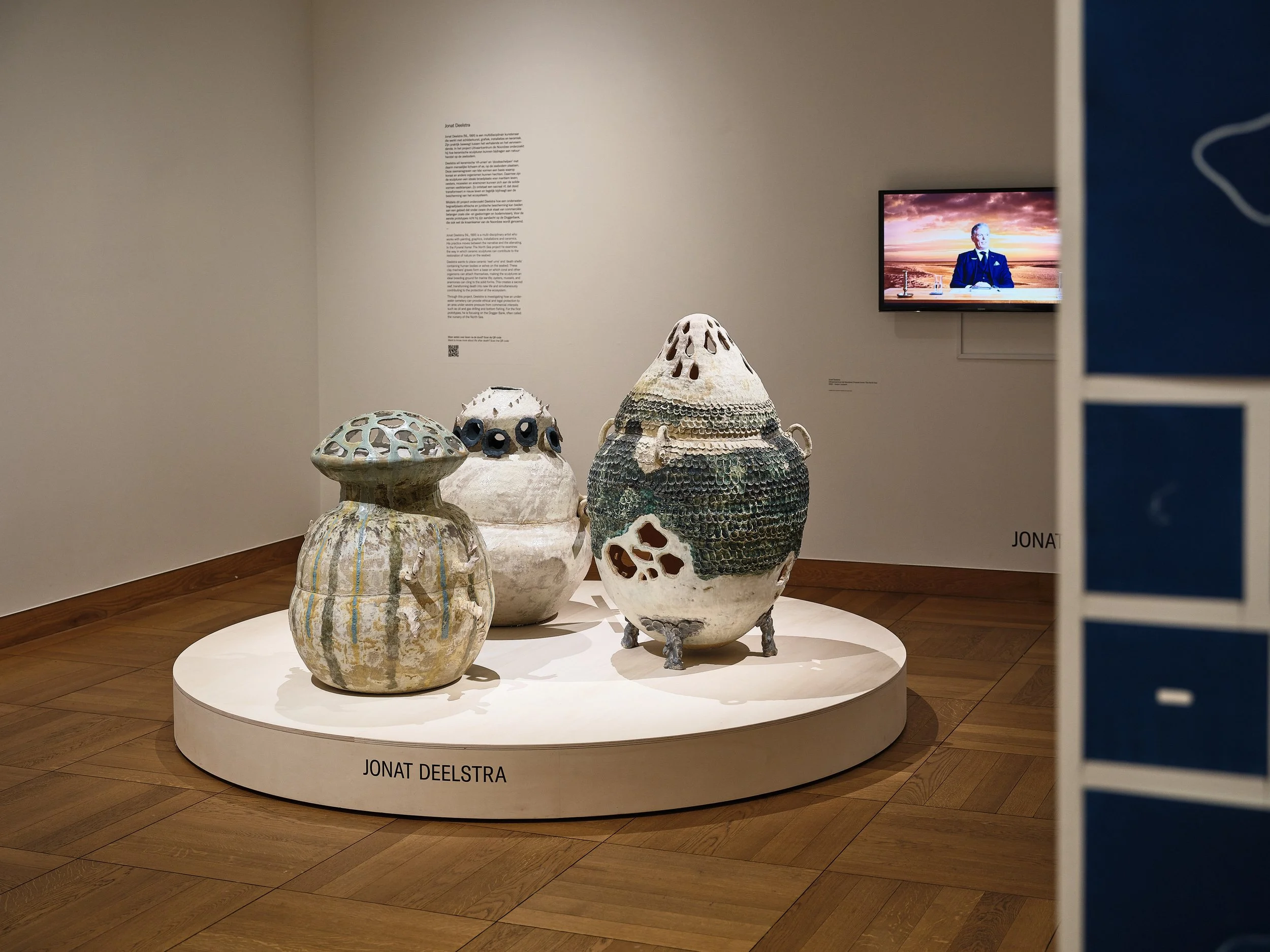
With Burial Ground the North Sea, the artist gives form to an ideal funeral: a burial ground on the seabed that facilitates life after death. Sea burials become breeding grounds for marine life, gradually growing into a sacred reef. The project asks a provocative question: can the legal right to grave peace shield an ecosystem from industrial fishing, bottom trawling, and oil and gas extraction? Can death itself protect vulnerable life? It is posthumous environmental activism in its purest form.
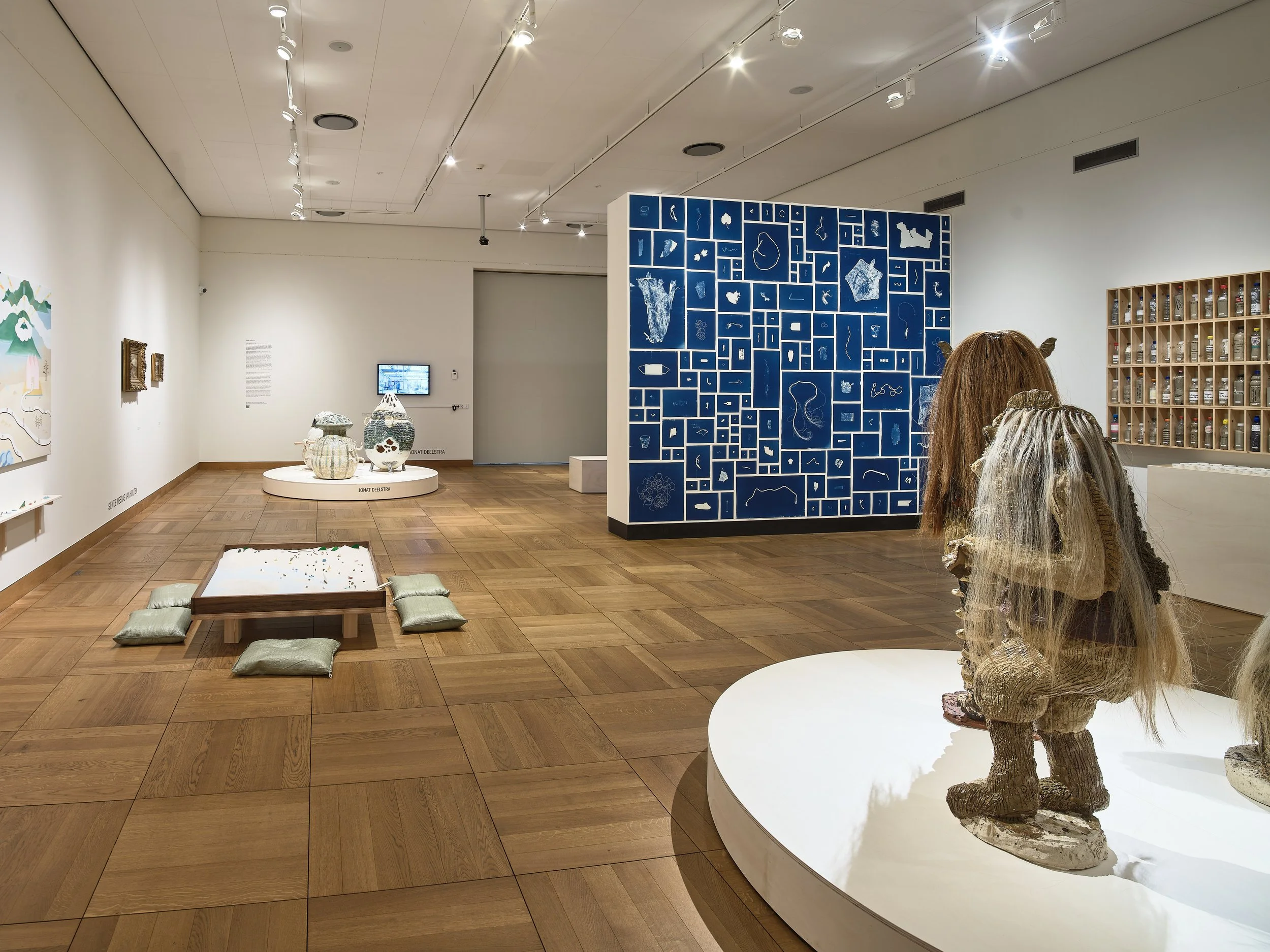
The first phase is complete. A documentary and accompanying sculptures, now on view at Museum Panorama Mesdag, immerse visitors in the concept. At the end of 2026, the project enters its next phase: the first prototypes will be placed on the bottom of the North Sea. With Doggerland Foundation and ARKE rewilding, the artist will sail to the Doggerbank to make it happen.
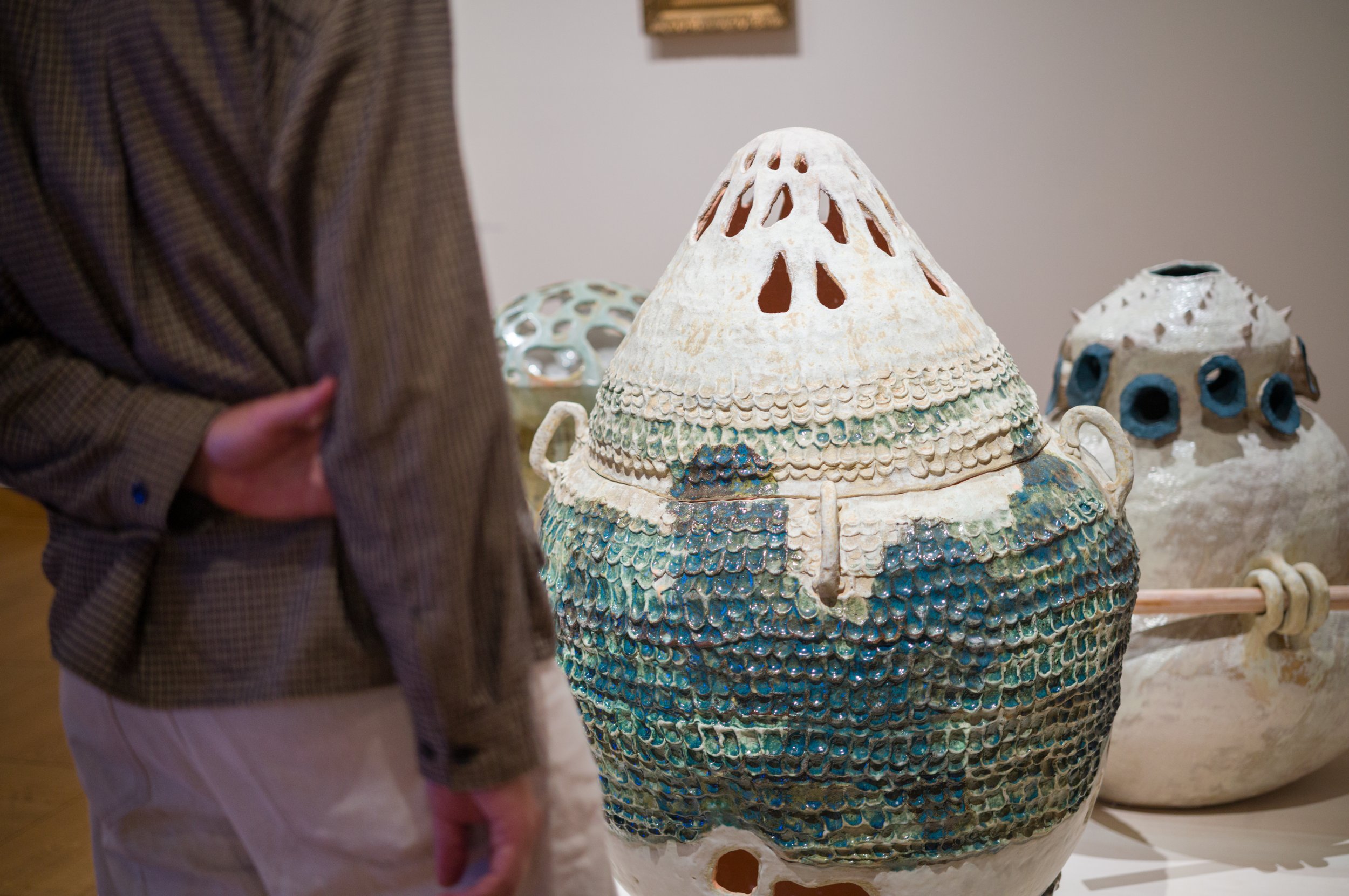
Death Vessels on show at Museum Panorama Mesdag - photo credits: Boudewijn Bolleman 2026
Researching the Bottom
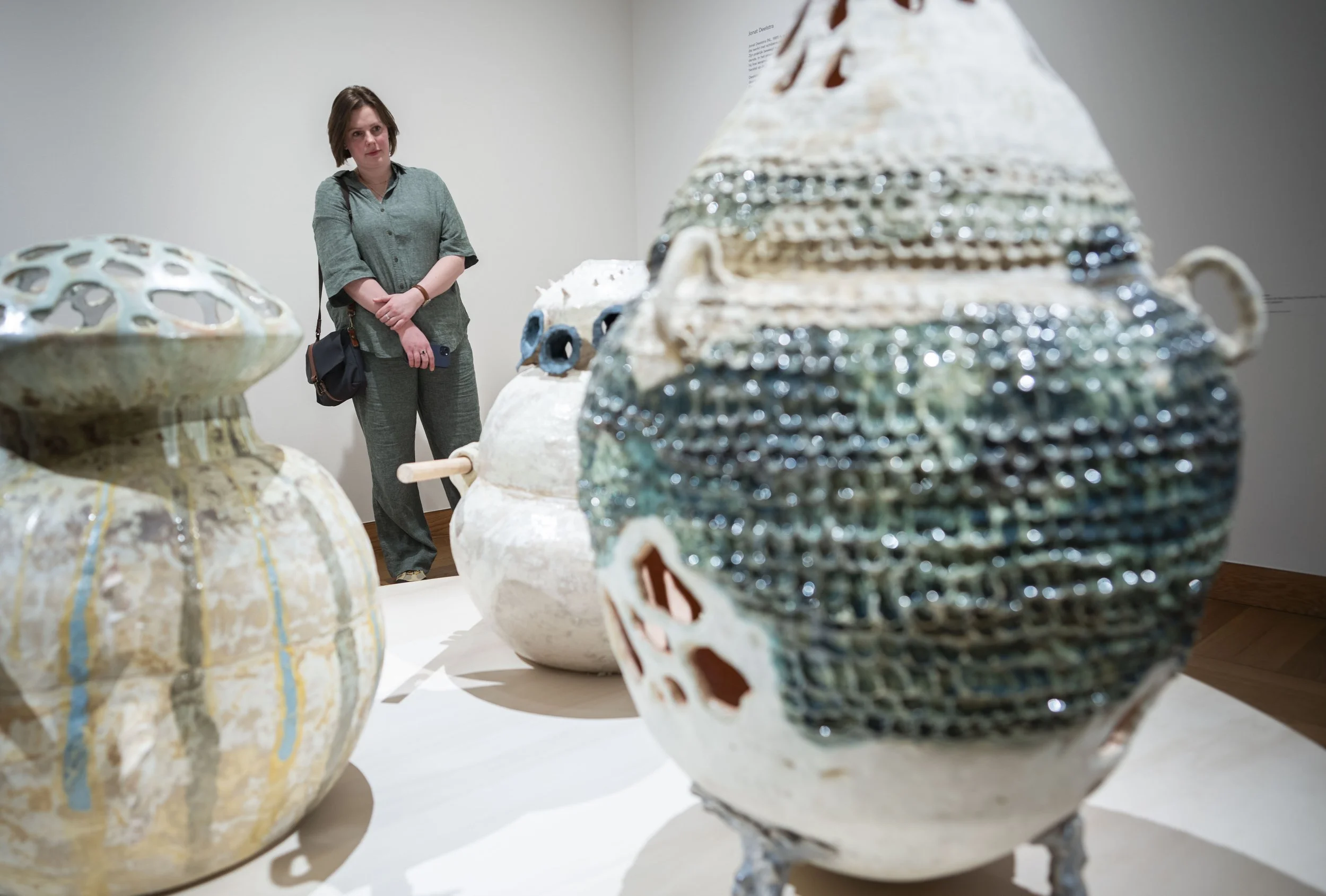
What began as a speculative idea grew into a concrete artistic investigation. The starting point was a 2020 study by Wageningen University & Research, which concluded that permanent structures on the seabed are essential to counter the destruction caused by bottom trawling. In that conclusion, the artist saw a role to play. Art, here, doesn't stop at ideas; it enters physical reality. The first version of the project took shape as underwater urns filled with human ashes, their exteriors designed as nurseries for marine flora and fauna: death as the starting point for new life. Hundreds of sculptures followed, developed in clay, exhibited widely, and shown in flowing water at Wageningen University's Department of Marine Biology, where the artist also lectured. In collaboration with the Embassy of the North Sea, workshops around the project continue regularly. The most recent sculptures are built to contain entire human bodies. Larger, heavier, and protected by the legal right to grave peace, these sarcophagi block fishing, drilling platforms, and offshore wind farms from the burial ground, creating the first self-protecting marine ecosystem of its kind in the world.

Jonat Deelstra’s Death Vessels on display at Museum Panorama Mesdag - photo credit: Piet Gispen



Quisque iaculis facilisis lacinia. Mauris euismod pellentesque tellus sit amet mollis.